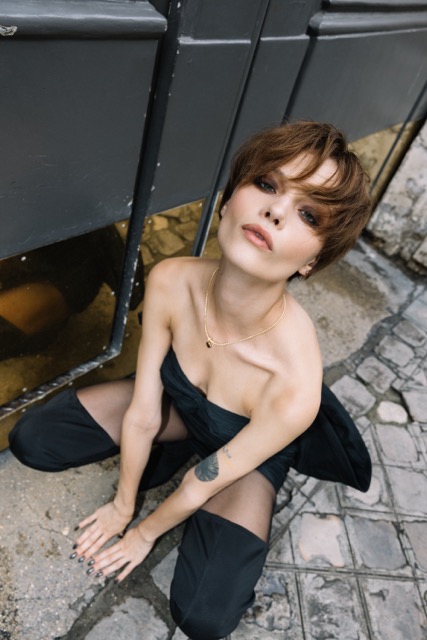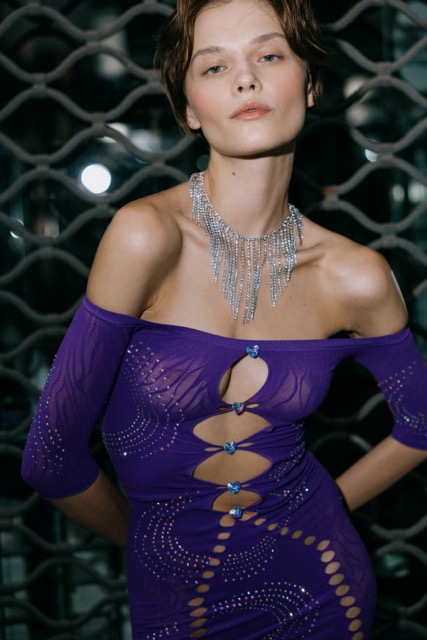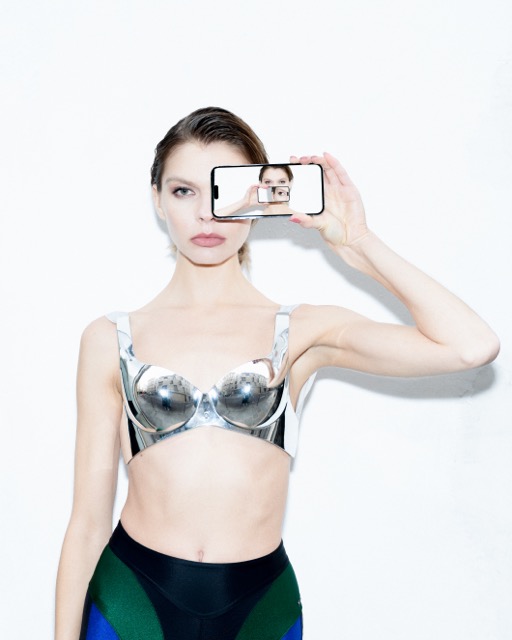

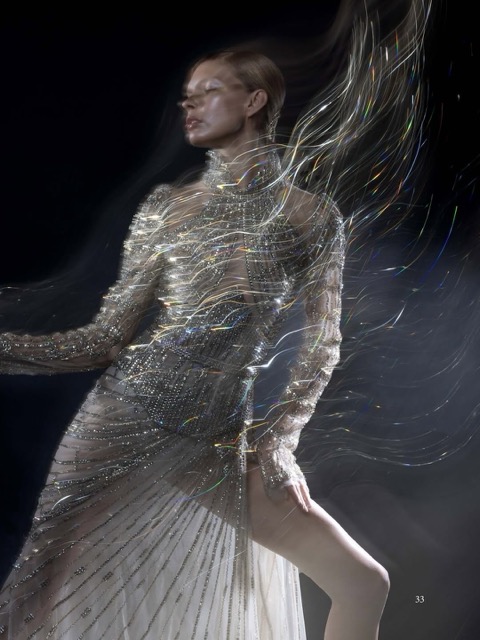
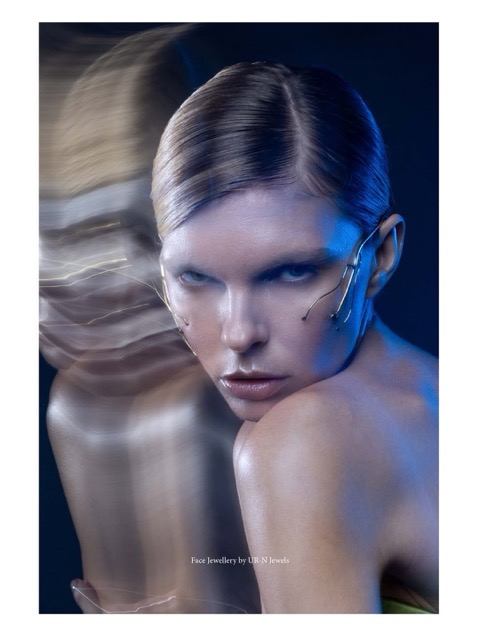
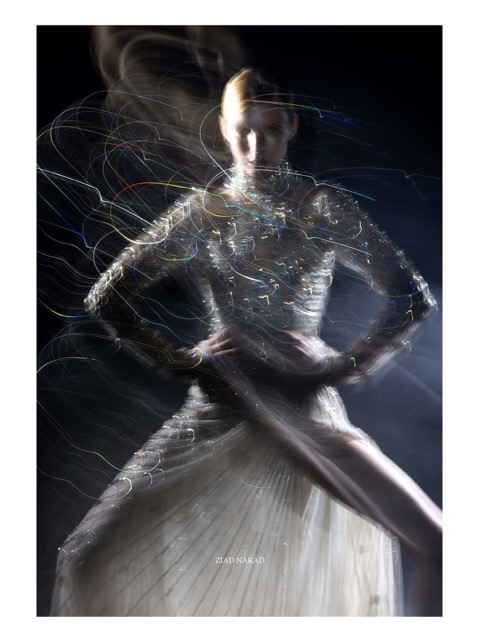
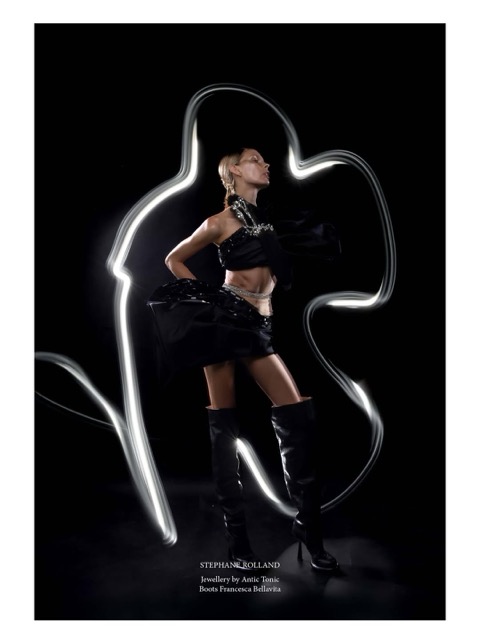
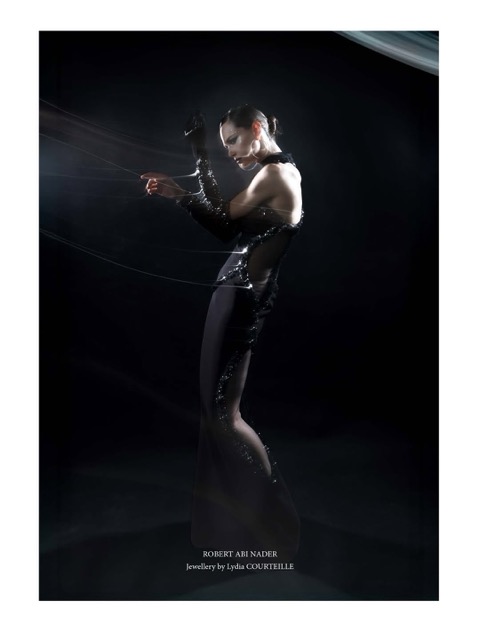
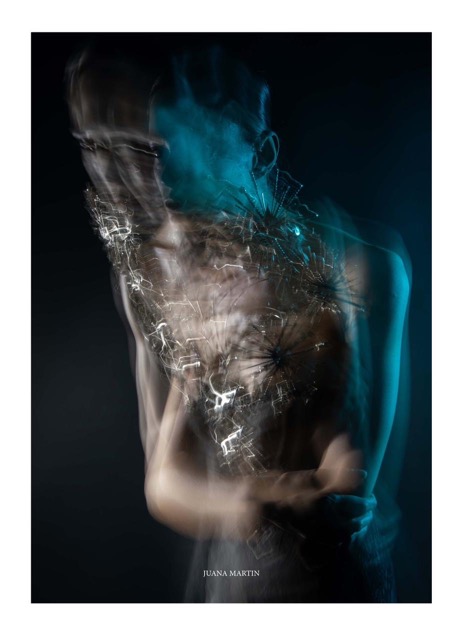
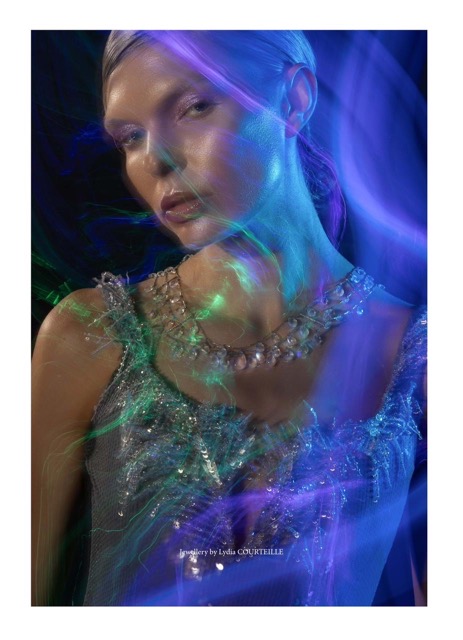
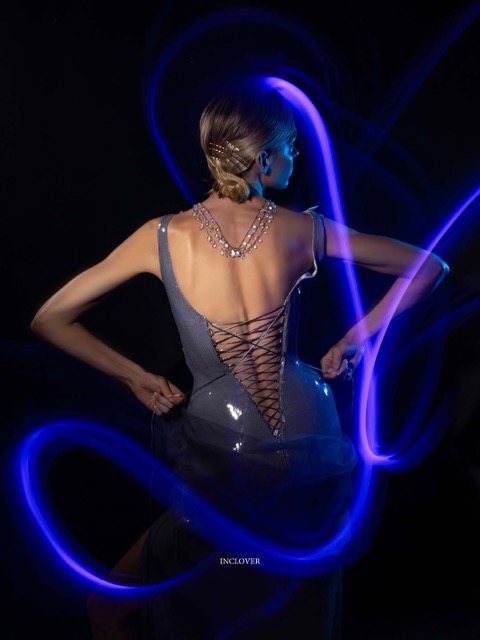
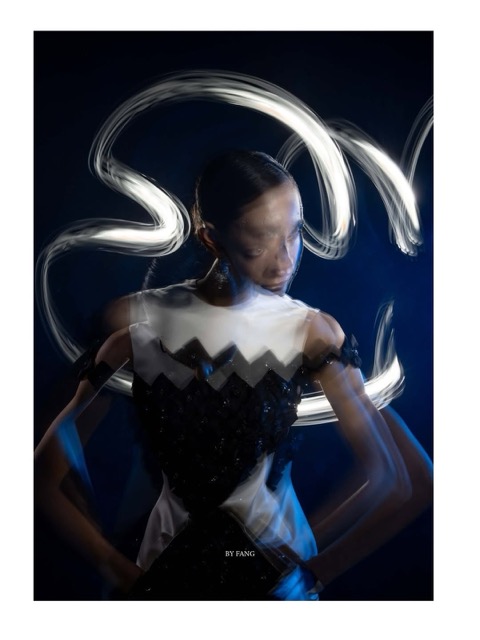
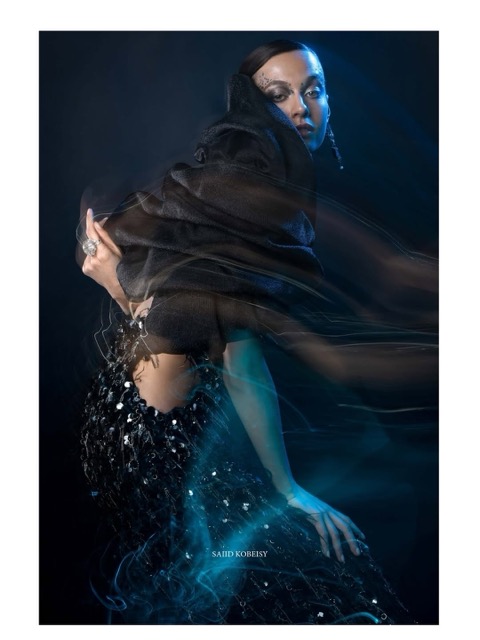
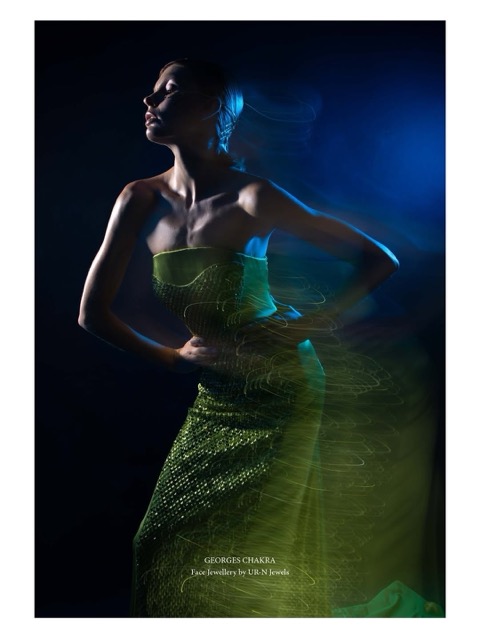
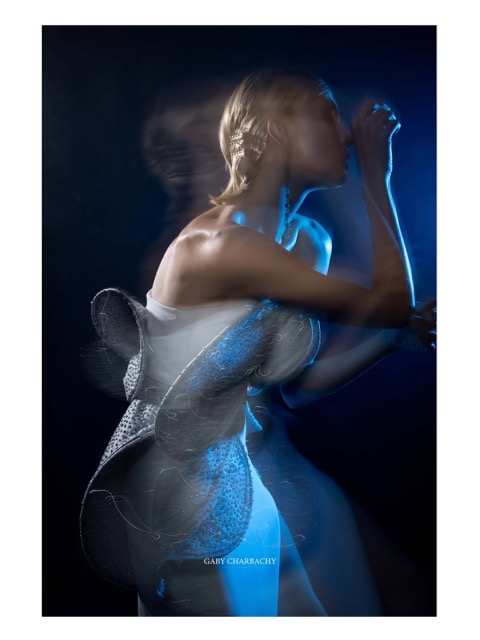
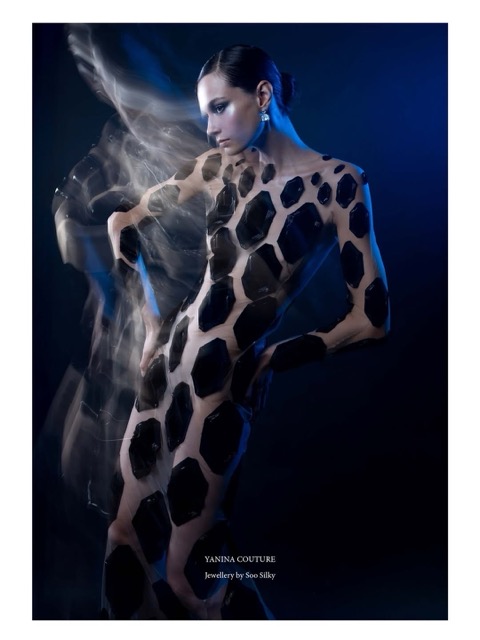
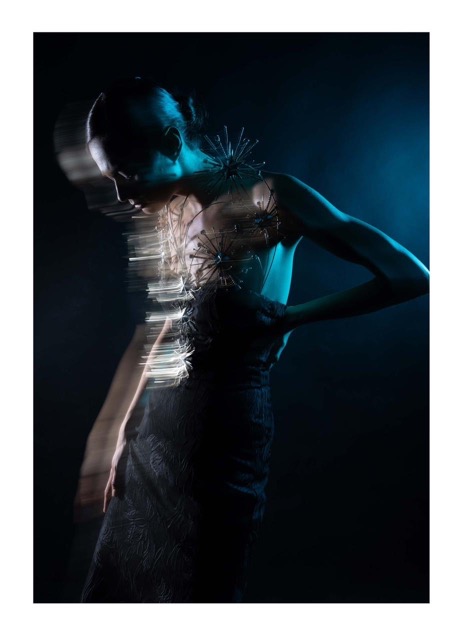
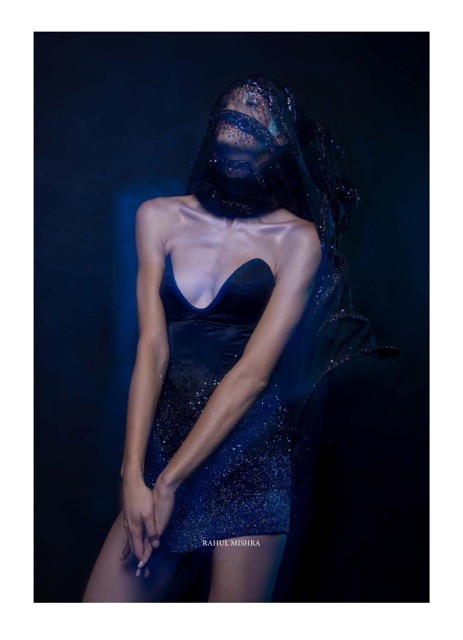
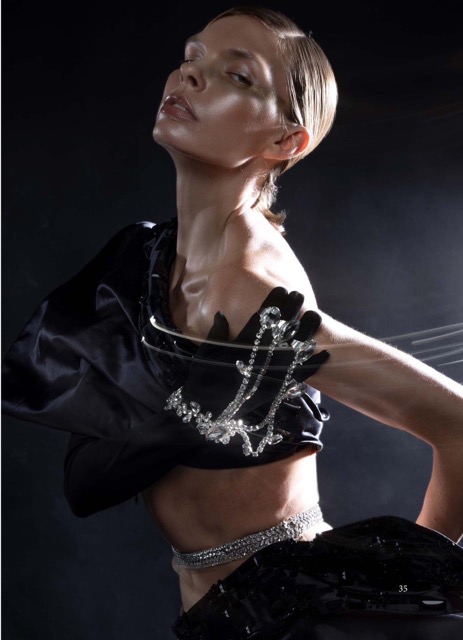
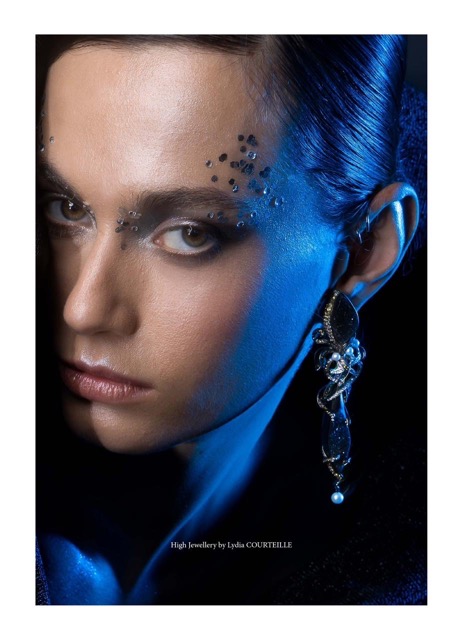
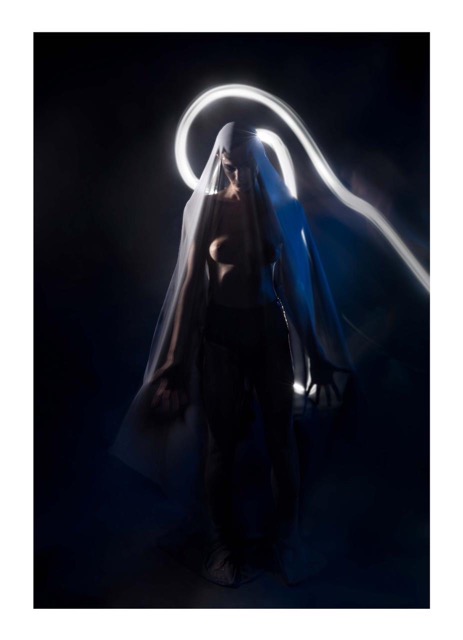
The world of fashion is not merely about clothing; it is an intersection of creativity, expression, and artistry. Couture editorials serve as a high-fashion narrative, where clothing, makeup, and photography converge to tell a unique story. This article delves into the essential components of creating a stunning couture editorial for Edge Magazine, focusing on techniques that fashionistas can adopt to elevate their work. From achieving glowy skin to selecting the right color palettes, this comprehensive guide will illuminate the path to a breathtaking fashion editorial.
A couture editorial is an artistic representation of fashion, conceived with a particular theme or narrative in mind. It transcends traditional fashion photography by incorporating elements of storytelling, emotion, and visual artistry. Fashionistas must understand the underlying concept to effectively communicate the desired message. This involves meticulous planning, brainstorming, and a clear vision that binds the editorial together.
Choosing a concept often involves drawing inspiration from various sources, including art movements, cultural phenomena, or even personal experiences. The key is to create a cohesive story that resonates with the audience. This can be achieved through symbolic elements in the wardrobe, makeup, and setting, ensuring that each component contributes to the overarching narrative.
Once the concept is established, the next step is to set the scene. This involves selecting locations, backdrops, and props that enhance the vision portrayed in the editorial. The setting should not only complement the clothing but also evoke the emotions tied to the theme. For instance, a rustic backdrop may work well for a vintage-inspired shoot, while a sleek, modern setting might suit a futuristic vision.
Fashionistas should also consider the mood and tone of the editorial. Lighting, angles, and photographic styles play a critical role in shaping the visual narrative. Experimenting with different settings can lead to unexpected yet stunning results, creating an editorial that captivates and engages the viewer.
A flawless complexion is crucial for any couture editorial. Achieving glowy skin requires a combination of skincare preparation and makeup application techniques. Fashionistas should start with a solid skincare regimen, incorporating hydrating serums and moisturizers that promote a luminous appearance. Additionally, using products with illuminating properties can enhance the skin’s natural glow.
On the makeup front, highlighters are essential for achieving that coveted radiant look. Selecting the right highlighter can make all the difference. Cream or liquid highlighters often provide a more dewy finish, whereas powder highlighters can offer a more intense shimmer. It’s vital to test various products to find the perfect match for the skin tone and desired effect.
When choosing highlighters, fashionistas should consider their skin type and undertones. For instance, warmer undertones typically pair well with gold or peachy highlighters, whereas cooler undertones benefit from silver or pink tones. Additionally, the texture of the highlighter plays a significant role; liquid and cream formulas can be layered for a more natural finish, while powder can be built up for a more dramatic effect.
To maximize the highlight’s impact, applying it to the high points of the face—such as the cheekbones, brow bones, and the bridge of the nose—can create a sculpted look. Using a damp makeup sponge can help blend the product seamlessly into the skin, ensuring a natural glow that enhances the overall aesthetic of the editorial.
To achieve glowy skin that is camera-ready, follow these steps:
Color choices in a couture editorial are paramount, as they can enhance or detract from the overall aesthetic. Selecting a color palette that complements the clothing and theme of the editorial is essential for creating a coherent look. Fashionistas should explore color theories, considering how different hues interact and influence perceptions of beauty and style.
Incorporating shiny or iridescent colors can elevate the glamour factor of an editorial. Metallic shades in makeup—such as shimmering eyeshadows or lip glosses—can add dimension and vibrancy, making the model’s features pop under the camera’s lens. It’s important to balance shiny colors with matte finishes to avoid overwhelming the viewer visually.
To choose a successful color palette, fashionistas should start by analyzing the garments featured in the editorial. Look for colors that harmonize with the clothing, whether through complementary shades or tonal variations. Using a color wheel can help identify which colors work well together.
Additionally, consider the emotional responses that different colors evoke. For example, warm tones may convey energy and enthusiasm, while cooler tones can evoke calm and tranquility. The right color palette not only enhances the garments but also reinforces the theme conveyed through the editorial.
The application of makeup plays a crucial role in the overall success of a couture editorial. To ensure a flawlessly blended look, fashionistas should utilize various tools, such as brushes, sponges, and their fingers, to achieve different effects. For example, using a fluffy brush for eyeshadows can create a soft, diffused look, while a precise brush can help define the crease.
Moreover, layering products is key to creating depth and dimension. Start with lighter shades and gradually build up intensity. For glossy finishes, consider applying lip gloss over a lipstick for added shine, while keeping the rest of the makeup muted to maintain focus on the lips.
The final look in a couture editorial should reflect a harmonious balance between fashion, makeup, and artistic elements. Every aspect of the editorial— from the clothing and makeup to the location and lighting—should align with the theme to create a cohesive narrative. It’s important to assess how well each element contributes to the overall vision and make adjustments as needed.
Fashionistas should also engage in collaborative efforts with photographers, stylists, and models to ensure that everyone understands the artistic vision behind the editorial. This collaboration allows for a more seamless execution of ideas, resulting in a final product that is not only visually stunning but also deeply meaningful.
Couture outfits are the heart of any high-fashion editorial. They should not only be visually striking but also embody the essence of the theme being portrayed. When selecting couture pieces, consider the storytelling aspect of the garments, including their textures, patterns, and colors. Each piece should contribute to the narrative while enhancing the model’s features.
Moreover, the fit and styling of the outfits play a crucial role. Outfits must be tailored impeccably and styled thoughtfully to create a polished look. This includes considering accessories, footwear, and even the model’s posture, all of which contribute to the overall aesthetic of the editorial.
Creating harmony between makeup and fashion requires an understanding of how the two elements interact. The makeup should enhance the clothing, not overpower it. Fashionistas should aim for a balanced approach, where the makeup subtly supports the outfit’s design and color without detracting from it.
For instance, if the couture dress is bold and elaborate, consider a more understated makeup look that allows the clothing to take center stage. Conversely, with a simpler outfit, more adventurous makeup can create visual interest and intrigue. This balance is key to achieving a captivating editorial that leaves a lasting impression on the audience.
Couture editorials represent the pinnacle of fashion storytelling, where creativity and artistry converge to create breathtaking visual narratives. From the concept development to the final execution, every detail matters in crafting an engaging editorial. Fashionistas equipped with the right techniques for glowy skin, color selection, and makeup application can elevate their work and leave a significant mark on the fashion industry.
Through the process of creating a couture editorial, fashionistas not only hone their skills but also deepen their understanding of fashion as an art form. Each editorial serves as a unique opportunity for self-expression and innovation, allowing creative professionals to showcase their vision and artistry. The collaborative nature of the process fosters connections and enriches the creative community, making it a rewarding experience for all involved.
As fashionistas embark on their own couture journeys, they are encouraged to experiment, innovate, and express their unique visions. The world of fashion is filled with possibilities, and each couture editorial is a canvas waiting to be painted with personal flair. Embracing creativity and pushing boundaries will undoubtedly lead to beautiful, unforgettable fashion narratives that resonate with audiences worldwide.
What is a couture editorial?
A couture editorial is a high-fashion photographic representation that combines clothing, makeup, and artistic elements to tell a unique story.
How do I select the right highlighter for my skin?
Consider your skin tone and undertones. Warmer skin tones typically suit gold or peach highlighters, while cooler tones benefit from silver or pink hues.
What is the importance of a color palette in fashion editorials?
A well-thought-out color palette enhances the overall aesthetic, creating harmony between the clothing, makeup, and setting while reinforcing the editorial’s theme.
How can I achieve a glowy skin look?
Start with a good skincare routine, use a luminous primer, opt for a dewy foundation, and apply highlighter to key areas of the face for a radiant finish.
Why is collaboration important in creating a couture editorial?
Collaboration ensures that everyone involved understands the artistic vision, allowing for a seamless execution of ideas and a more captivating final product.